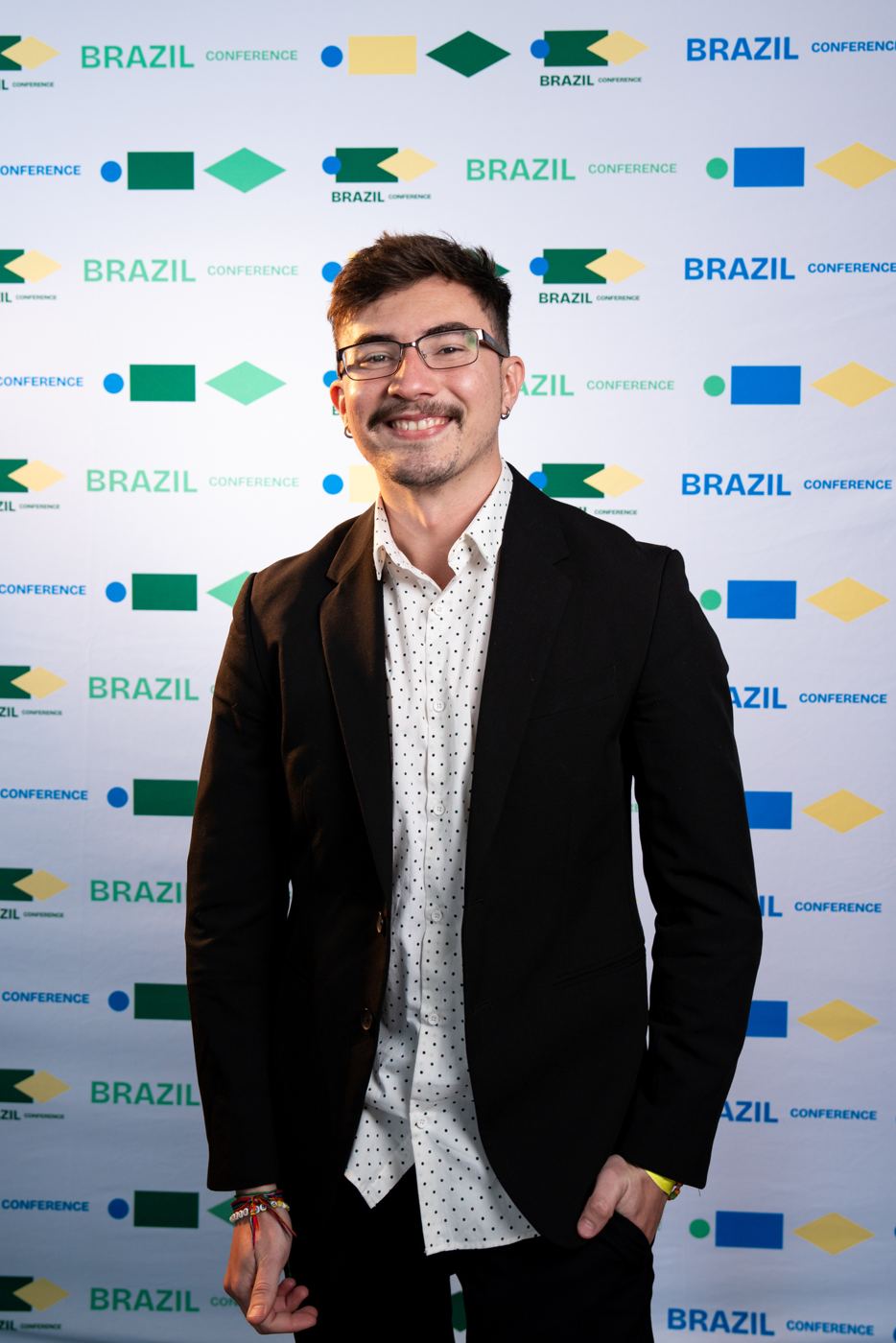
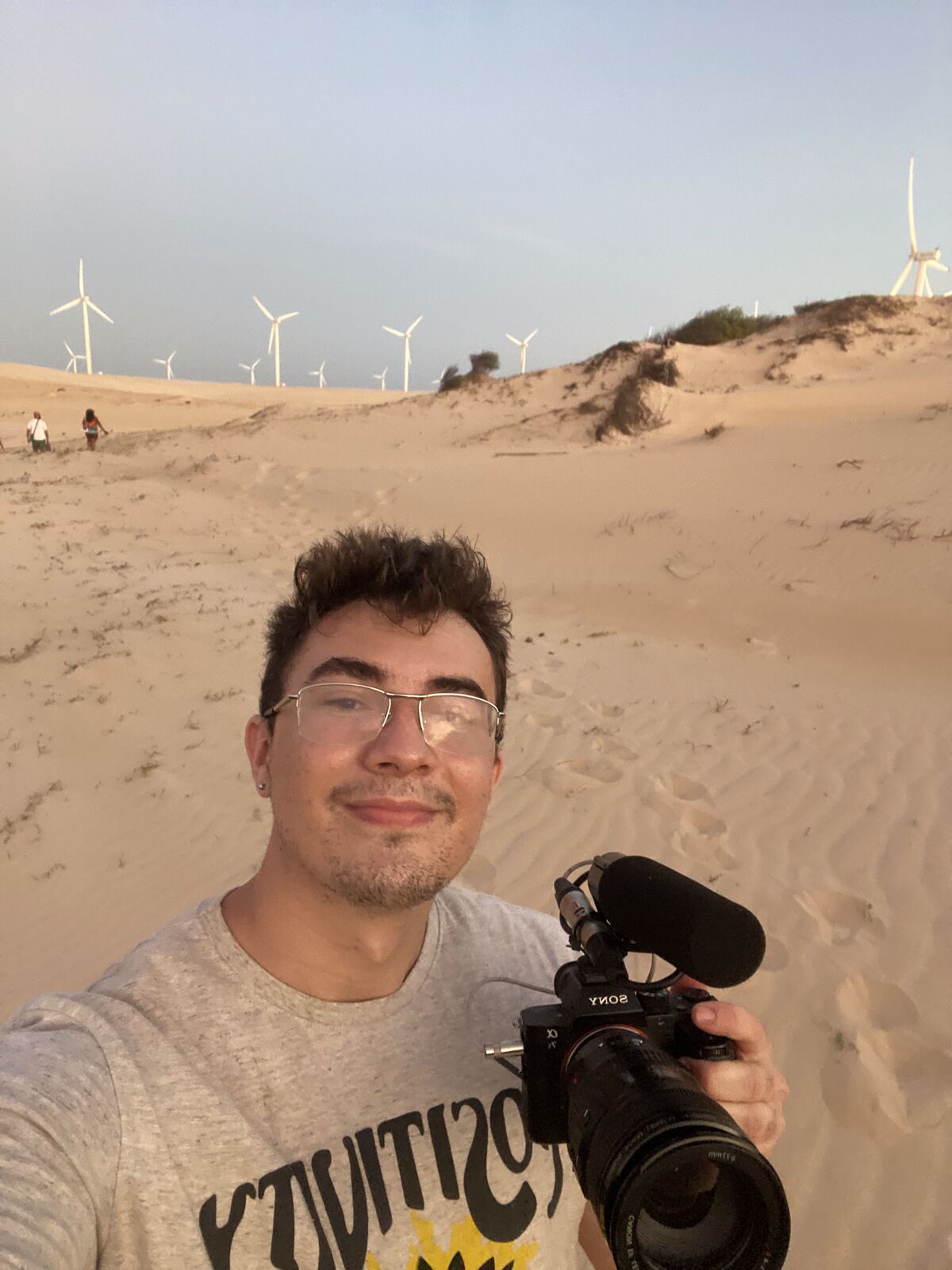
Rogério Bié

About · Ceará to Los AngelesRogério Bié · b. 2000

Where I come from

A rural settlement in the interior of Ceará, a long road to school, a journalism degree in Fortaleza, a master's in Los Angeles, and the question that still drives the work. Scroll to follow the map.

6children in a farming family; the third, and the first at a university
8years old when electricity reached the settlement
5,800km from Santa Quitéria to Los Angeles, as the crow flies
2028premiere of The Sound of a Sacrifice Zone, the capstone
Map of Brazil with the state of Ceará highlighted and the places of this story marked Acre Alagoas Amapá Amazonas Bahia Ceará Distrito Federal Espírito Santo Goiás Maranhão Mato Grosso Mato Grosso do Sul Minas Gerais Pará Paraíba Paraná Pernambuco Piauí Rio de Janeiro Rio Grande do Norte Rio Grande do Sul Rondônia Roraima Santa Catarina São Paulo Sergipe Tocantins
Santa Quitéria, Ceará
01 Santa Quitéria, Ceará

A road that flooded every winter

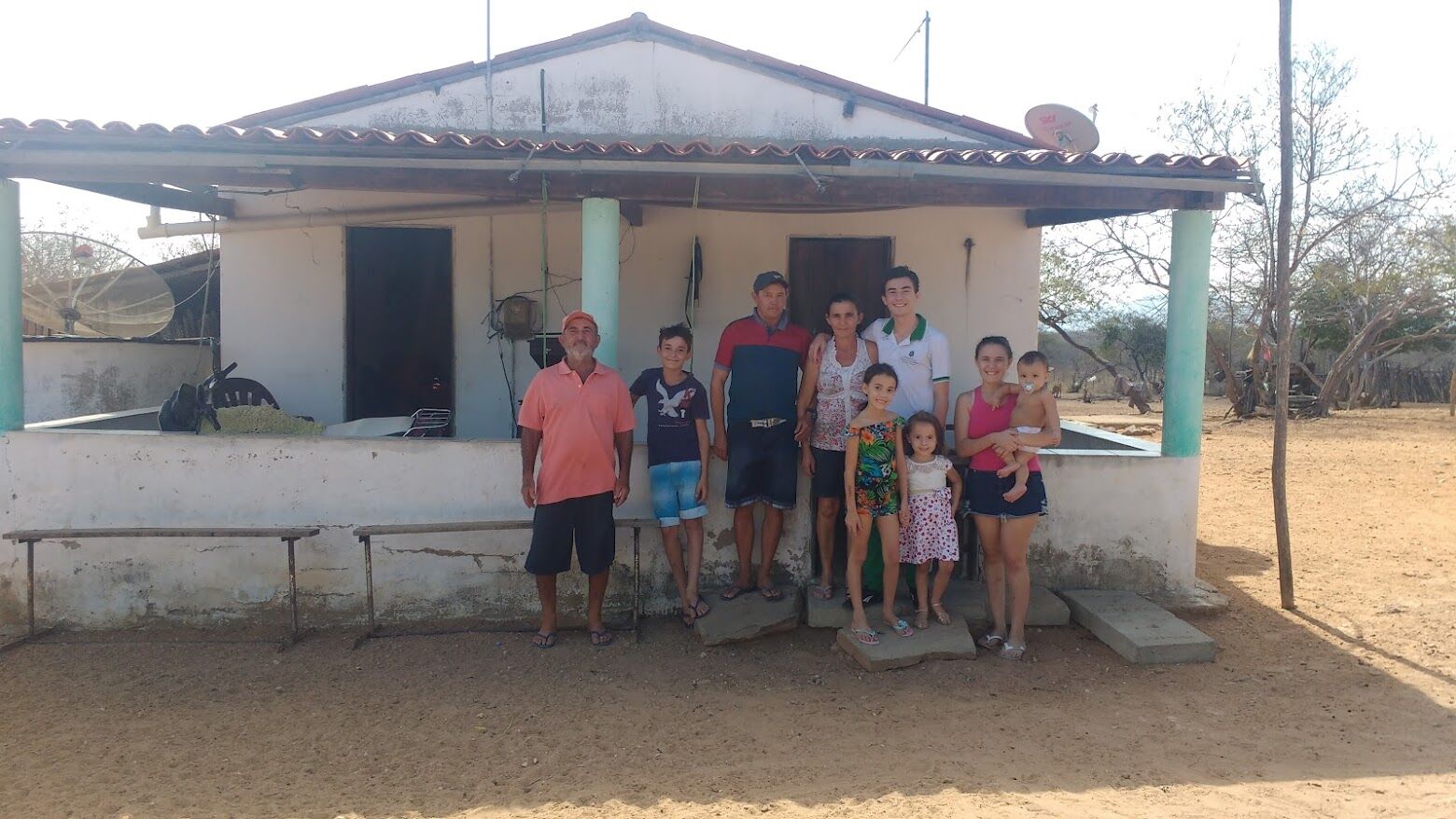
I grew up in a rural settlement in Santa Quitéria, in the interior of Ceará, Brazil, the third of six children in a family of farmers. Until I was eight, we had no electricity. A few minutes before the school bus came, I would go to my neighbor's house and watch whatever was on his TV, a window into worlds beyond the one I lived in.

One of those mornings took me to Javé, the village in the Brazilian film The Storytellers: told that a dam would flood their community, its residents decided to write down its history to save it. Like Javé, we lived under the shadow of a proposed uranium mine. For most of my childhood the road to school flooded every rainy season, and I missed exams because the bus could not get through. I had a great many questions, and the answers were almost never within reach.

The answers exist, and they are not distributed evenly. What separates me from most of the people I grew up with is not ability. It is access.
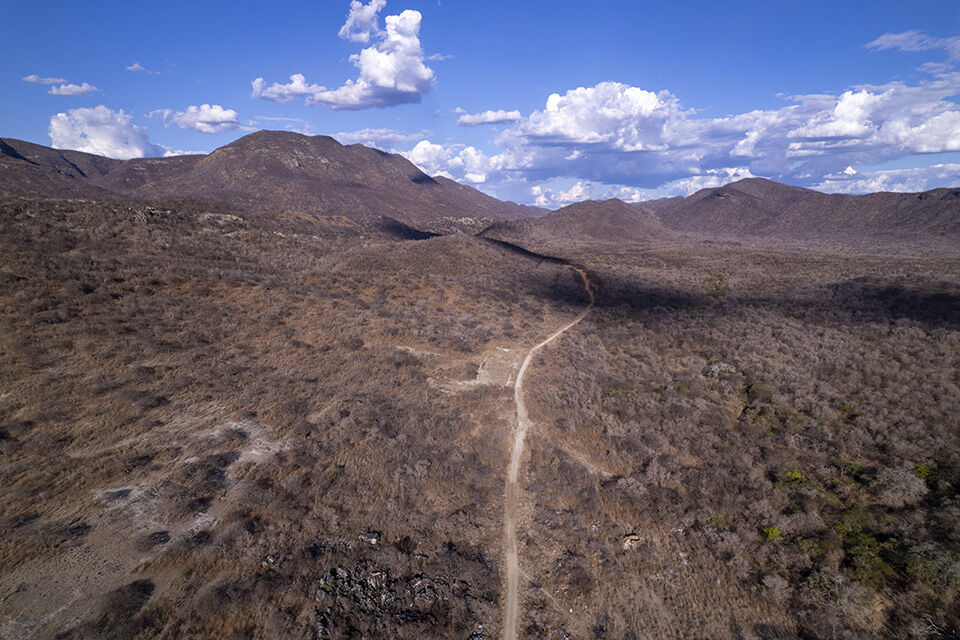
The sertão around Santa Quitéria
Home, in the settlement
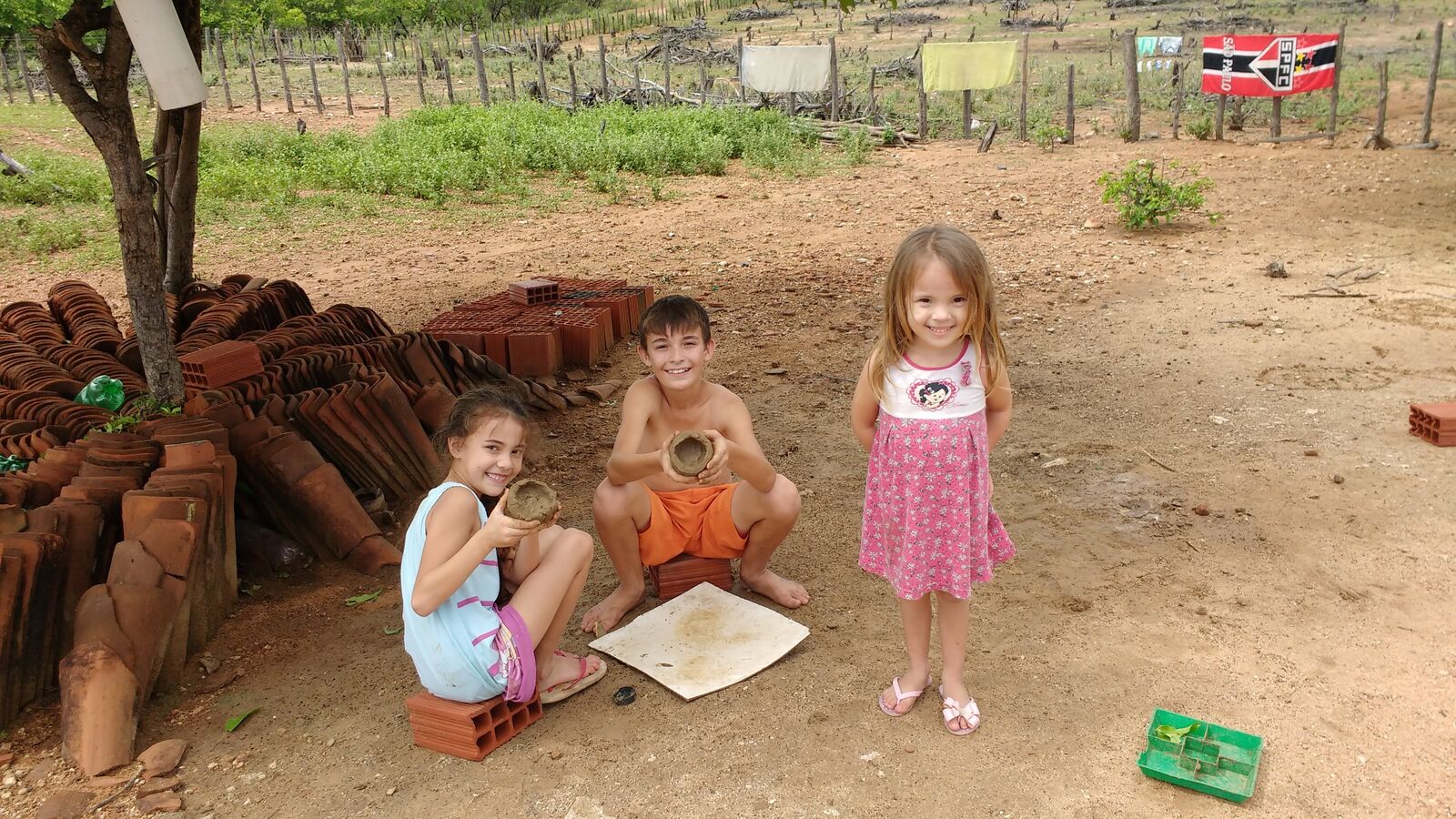
Children in the settlement
02 Fortaleza · journalism

First in the family at the university

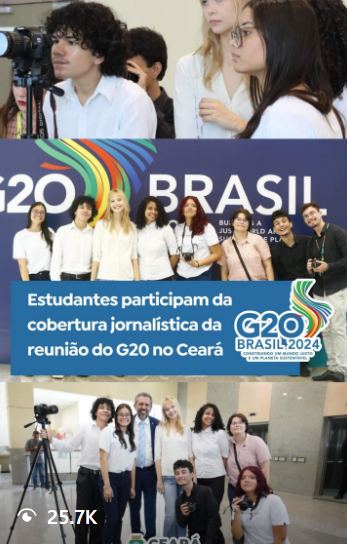
So I trained as a journalist at the Federal University of Ceará, the first in my family to go to college, and spent the next years covering education, youth policy and social impact: a newsroom of public school students, campaigns that reached 350,000 teenagers, a youth team that covered the G20.

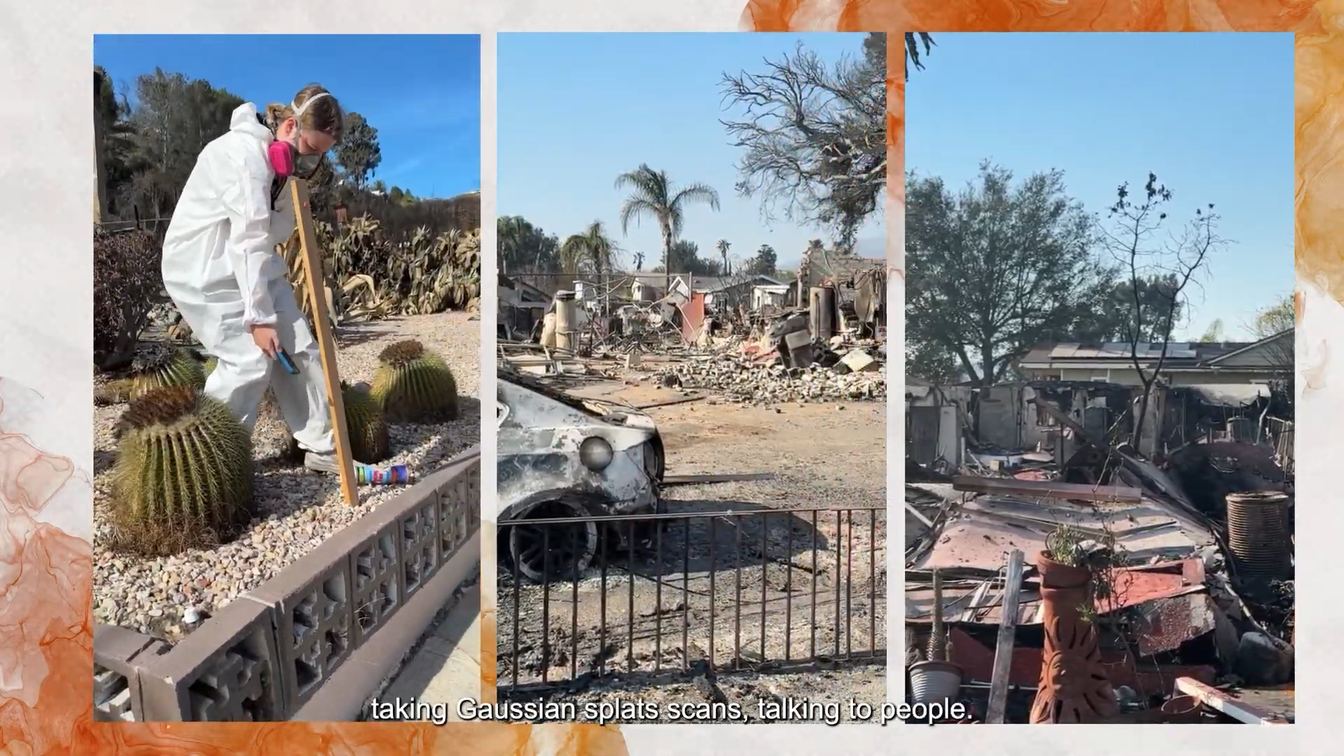
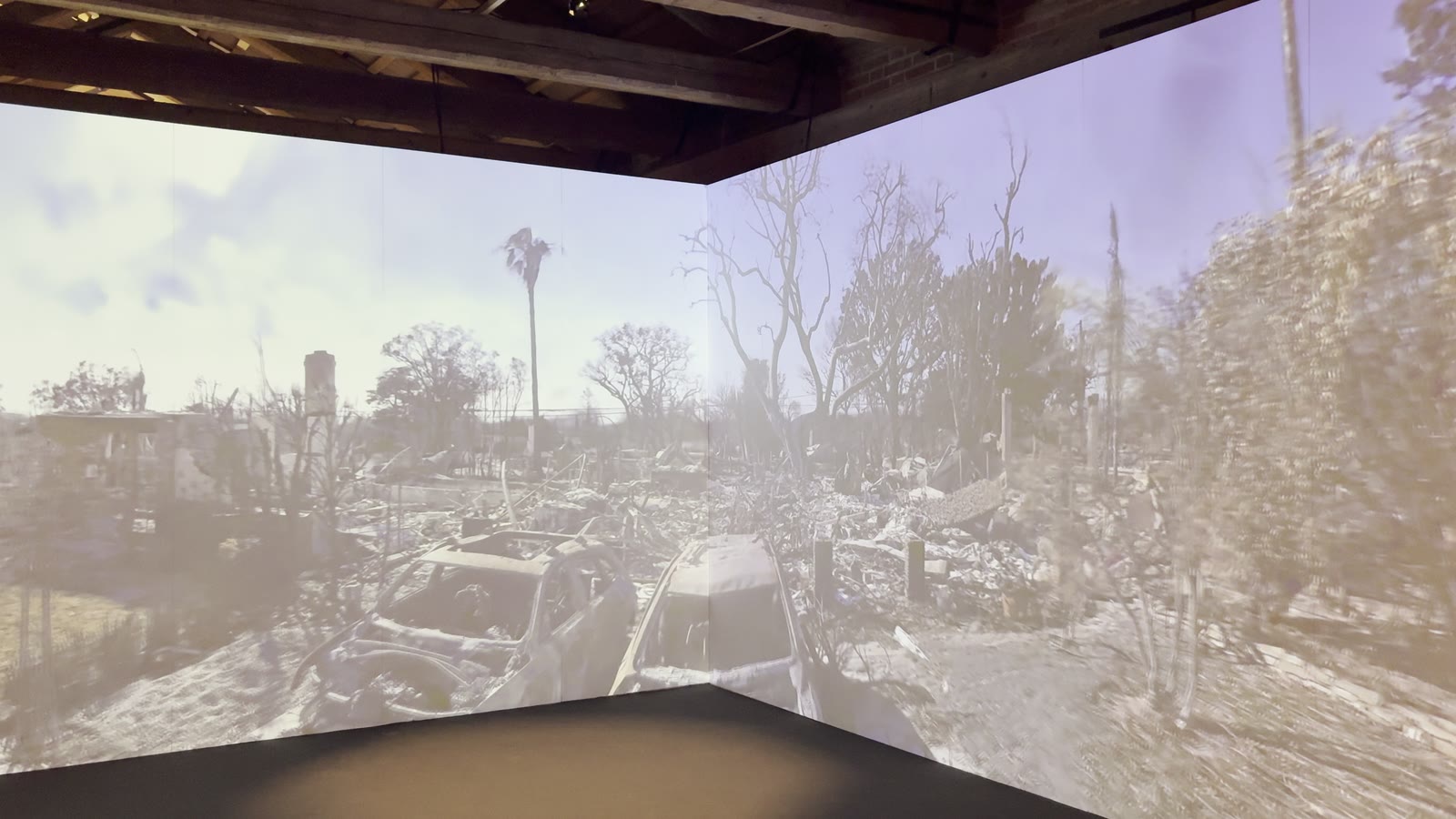
And then I stopped being satisfied with the frame. A photograph of a burned house is evidence. A volumetric scan of that house is a place you can still stand inside a year after it is gone.

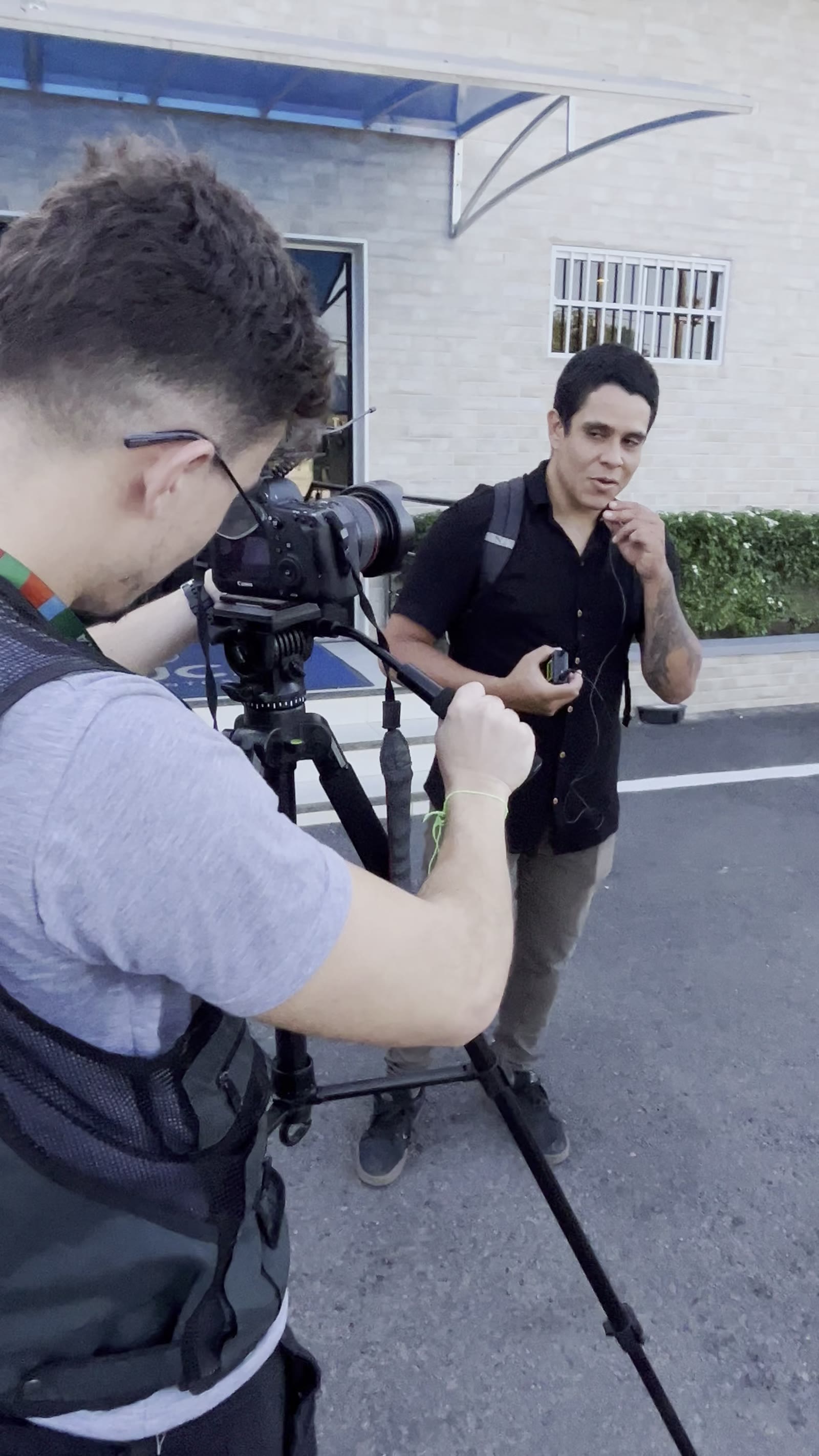
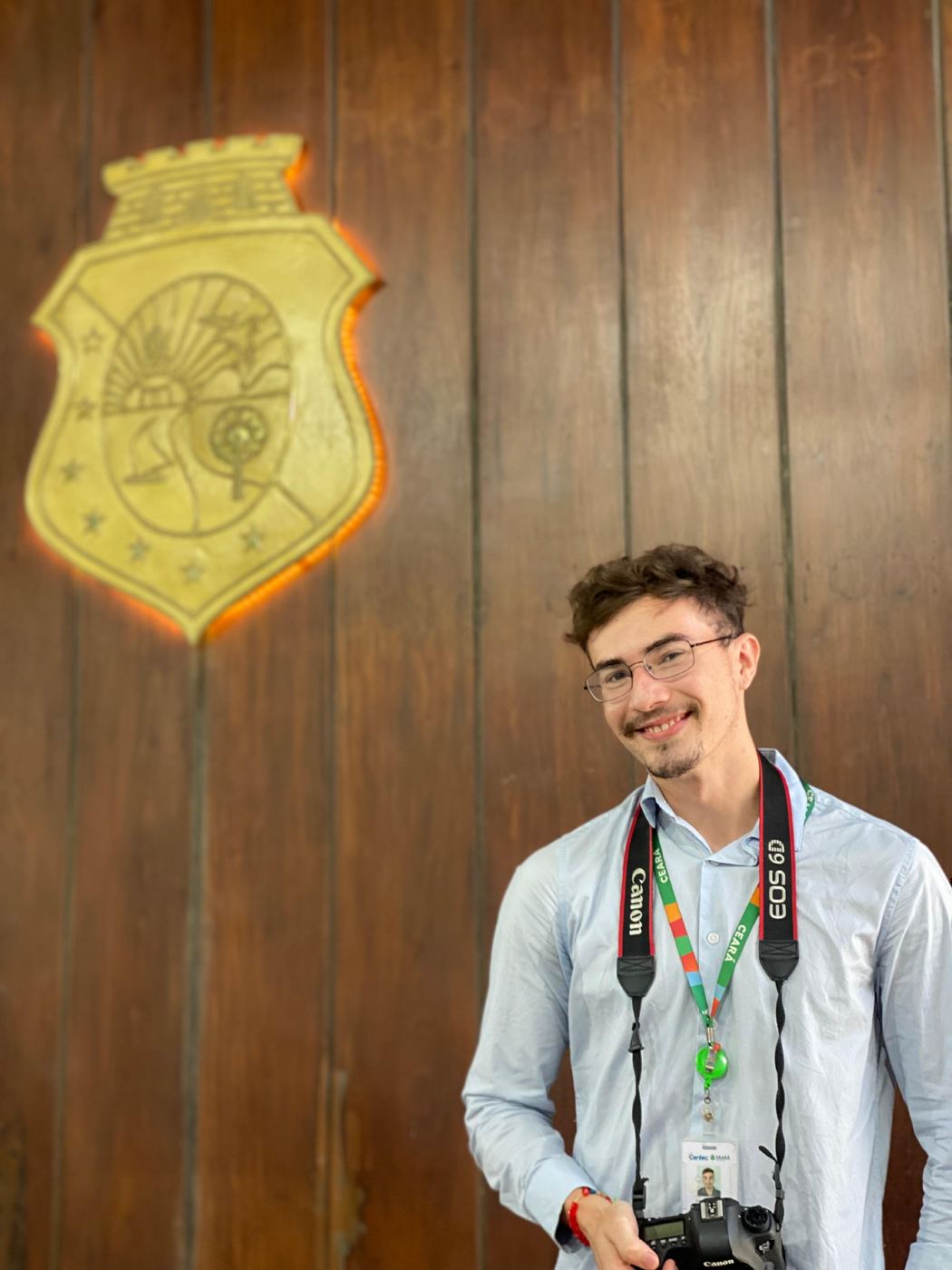
Reporting in Fortaleza
The G20 youth newsroom
Ceará em Cena
Ceará em Cena
03 Cumbe Quilombo · Children of the Wind

Clean energy, clean for whom?

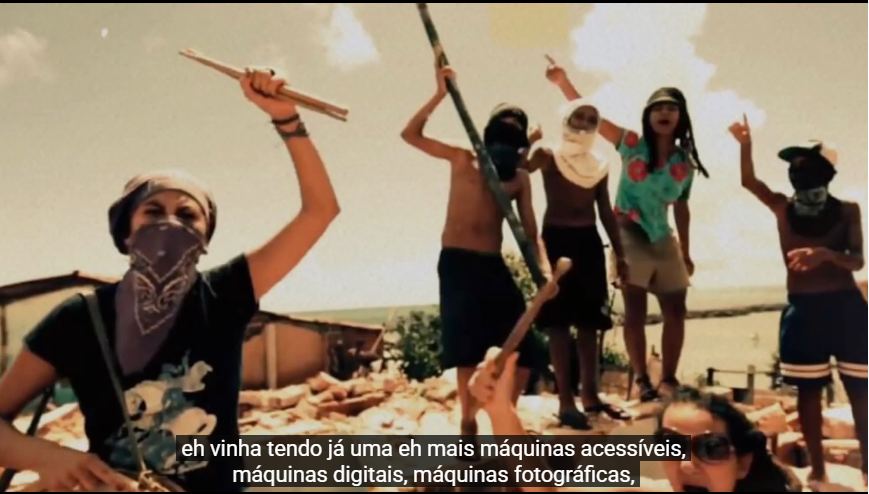
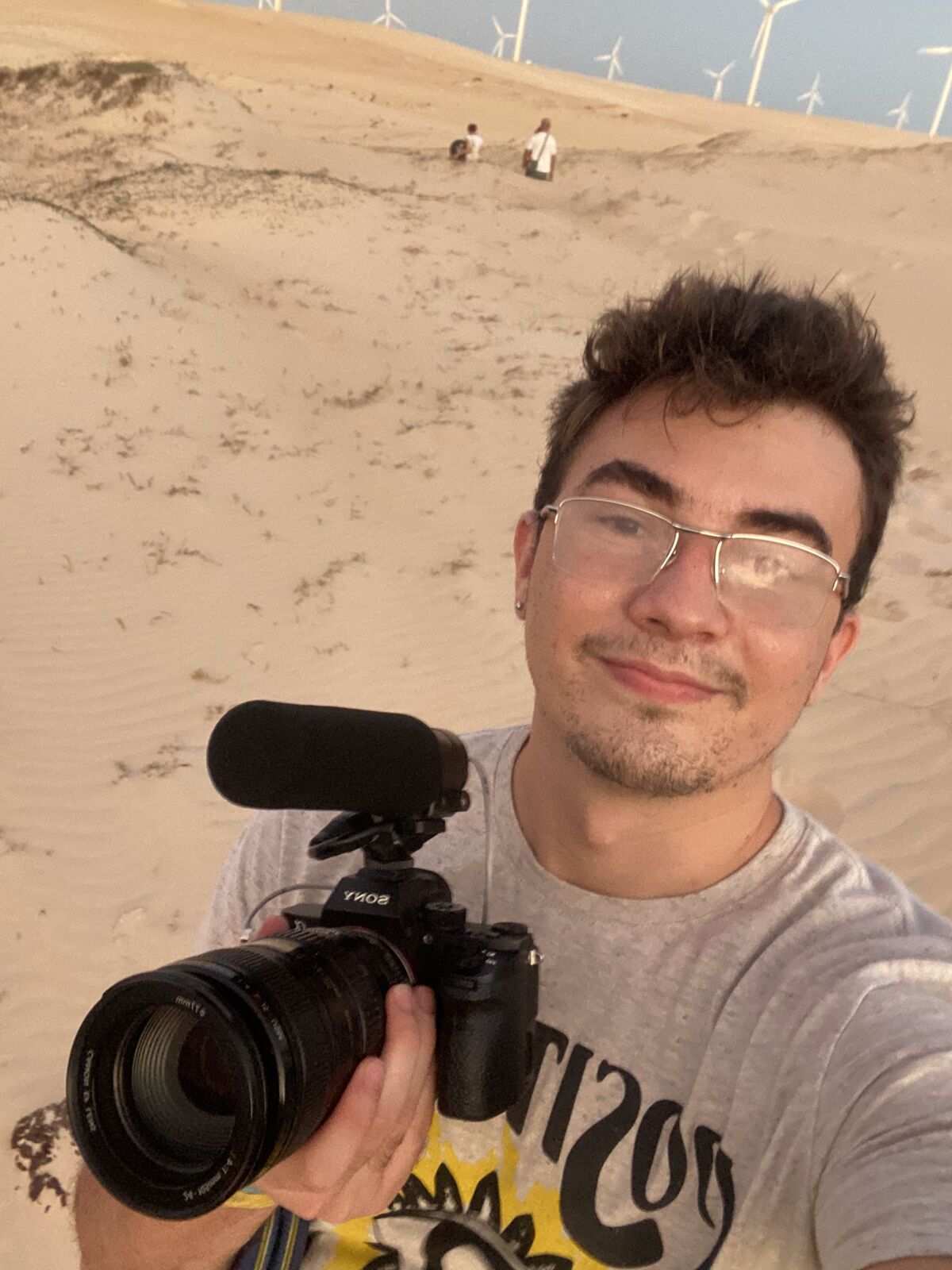
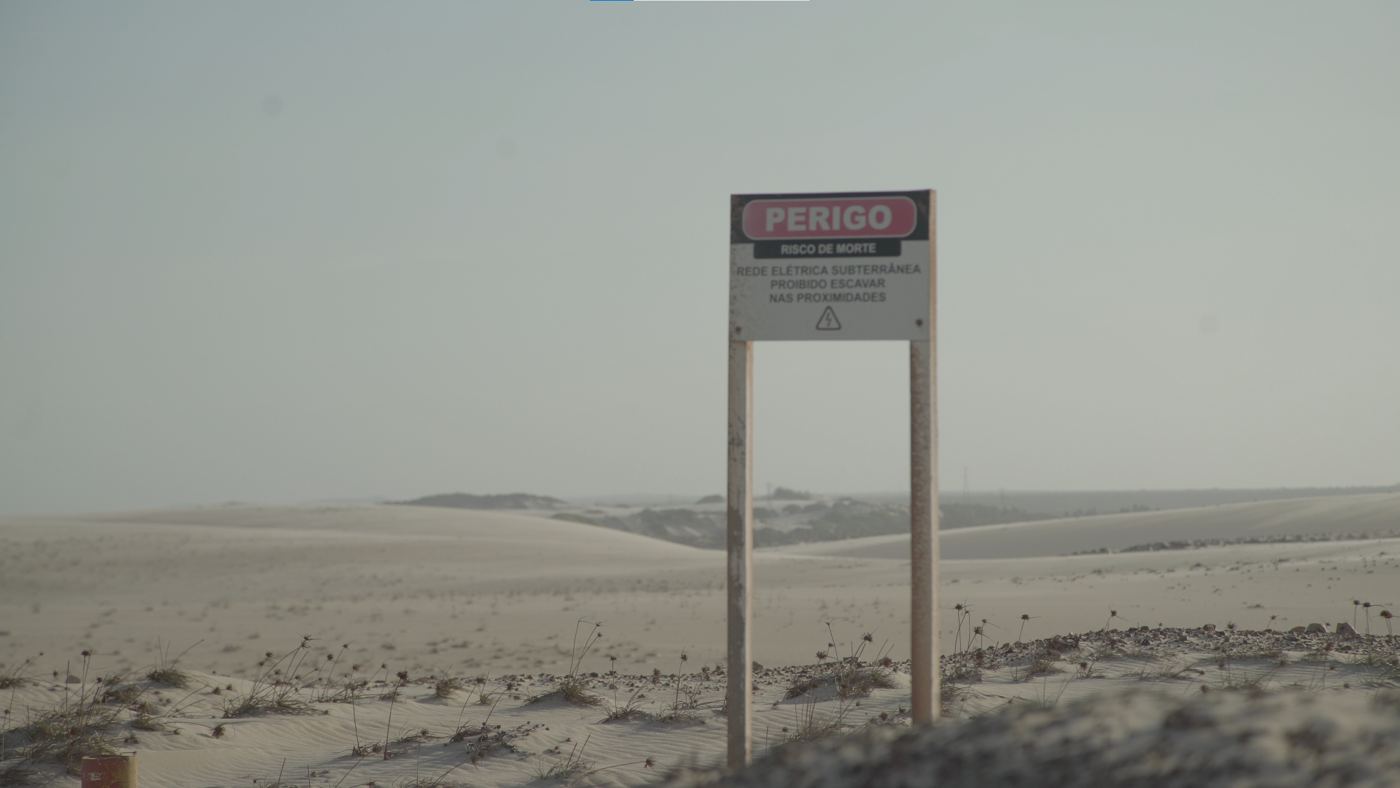
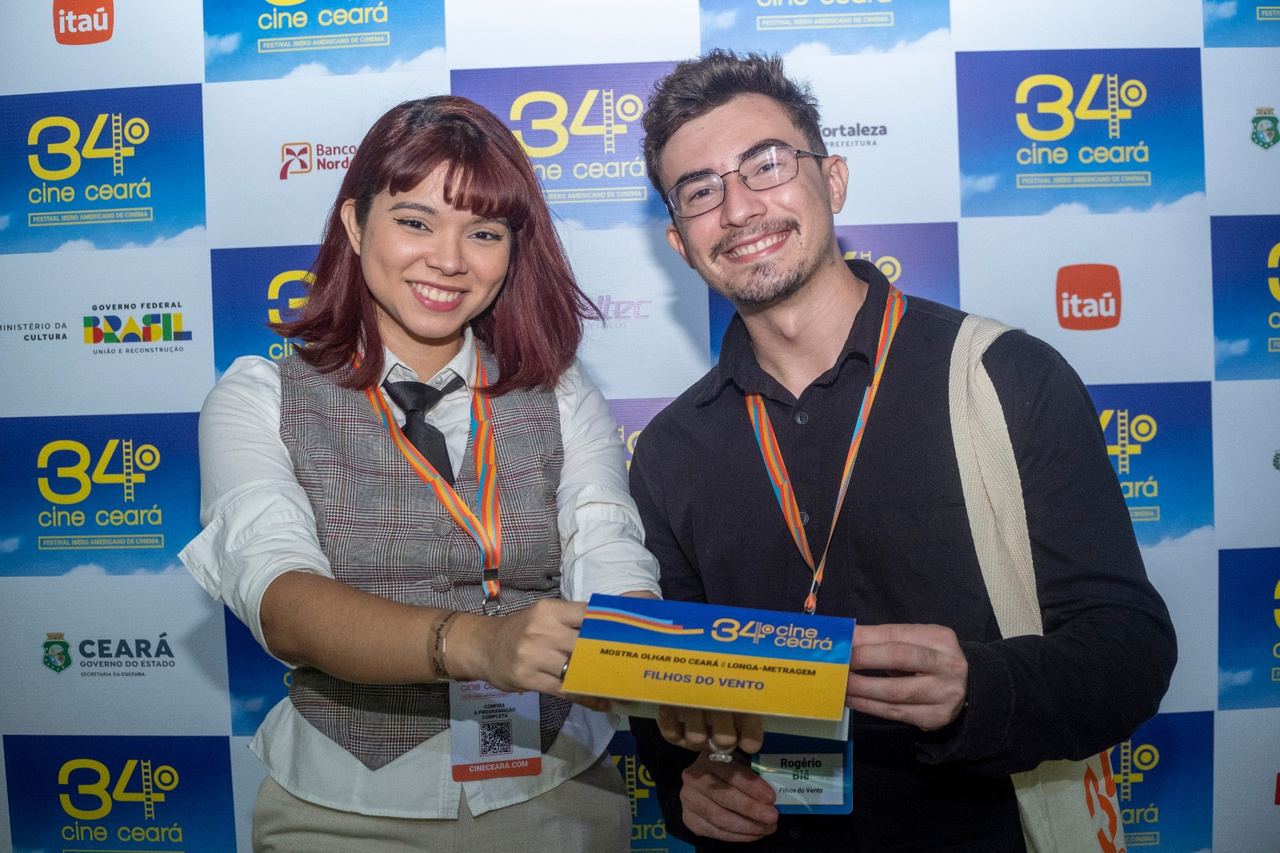
My thesis film was about wind: the Cumbe Quilombo, in Aracati, a community whose land was handed to a wind farm nobody asked them about. Children of the Wind became one of three features chosen by Cine Ceará from more than a hundred.

A 360° recording of a Quilombola community living beside a wind farm does something a written report cannot: it refuses to let you look away from the scale of it.

When your roots are strong, there is no reason to fear the winds.
Filming in the dunes
Children of the Wind
The premiere at Cine Ceará
04 Ceará and the Global South

With communities, not about them

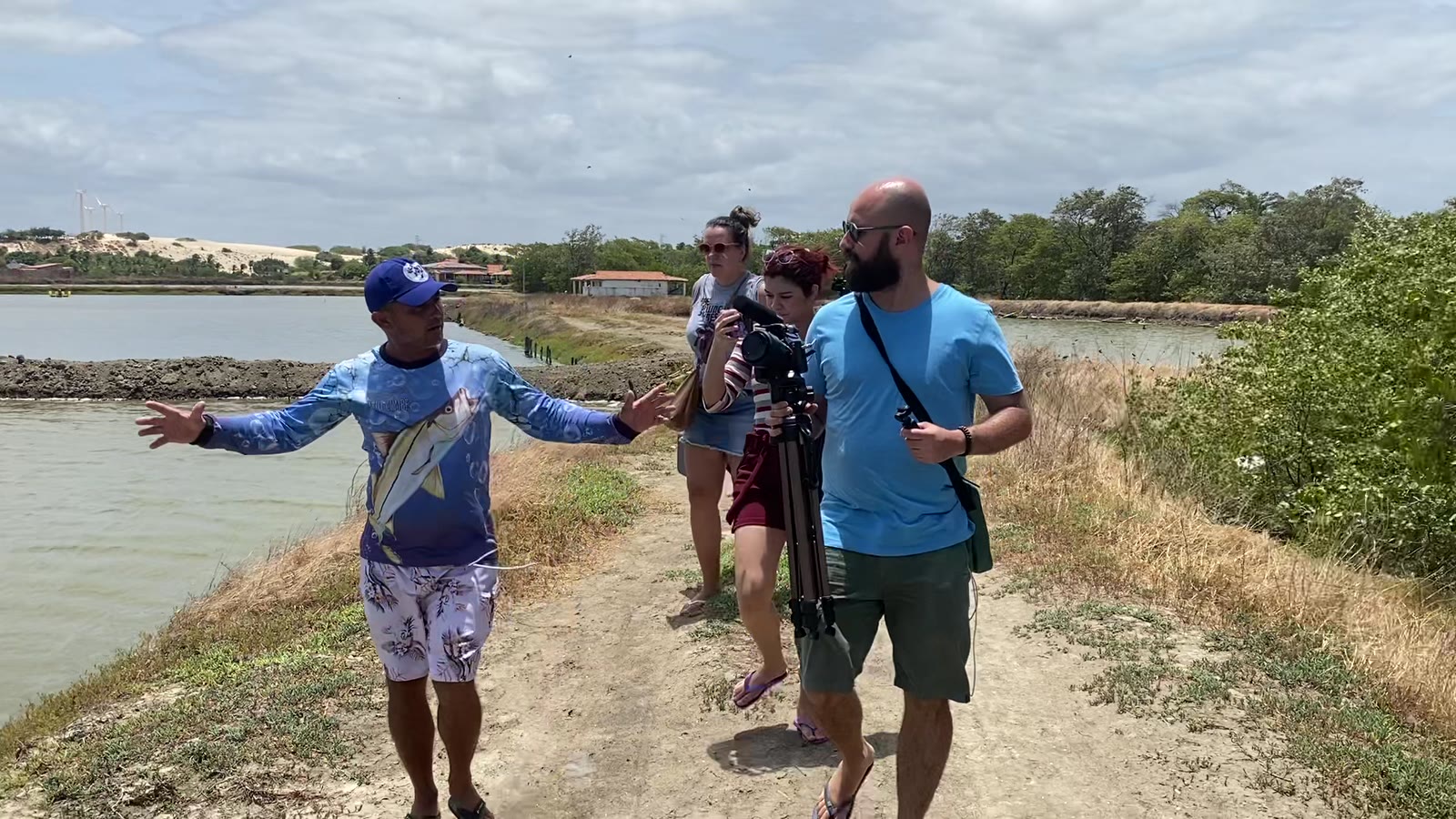
I work on environmental justice, inclusion and public education, mostly alongside communities in the Global South, with them, not about them. The technology is never the point. Proximity is.

Every tool I reach for, from Gaussian splatting to a vertical video that finds a hundred thousand teenagers on their phones, gets chosen by one measure: how close does this put you to someone else's life before you stop being an audience and start being a witness?

Fieldwork with a community
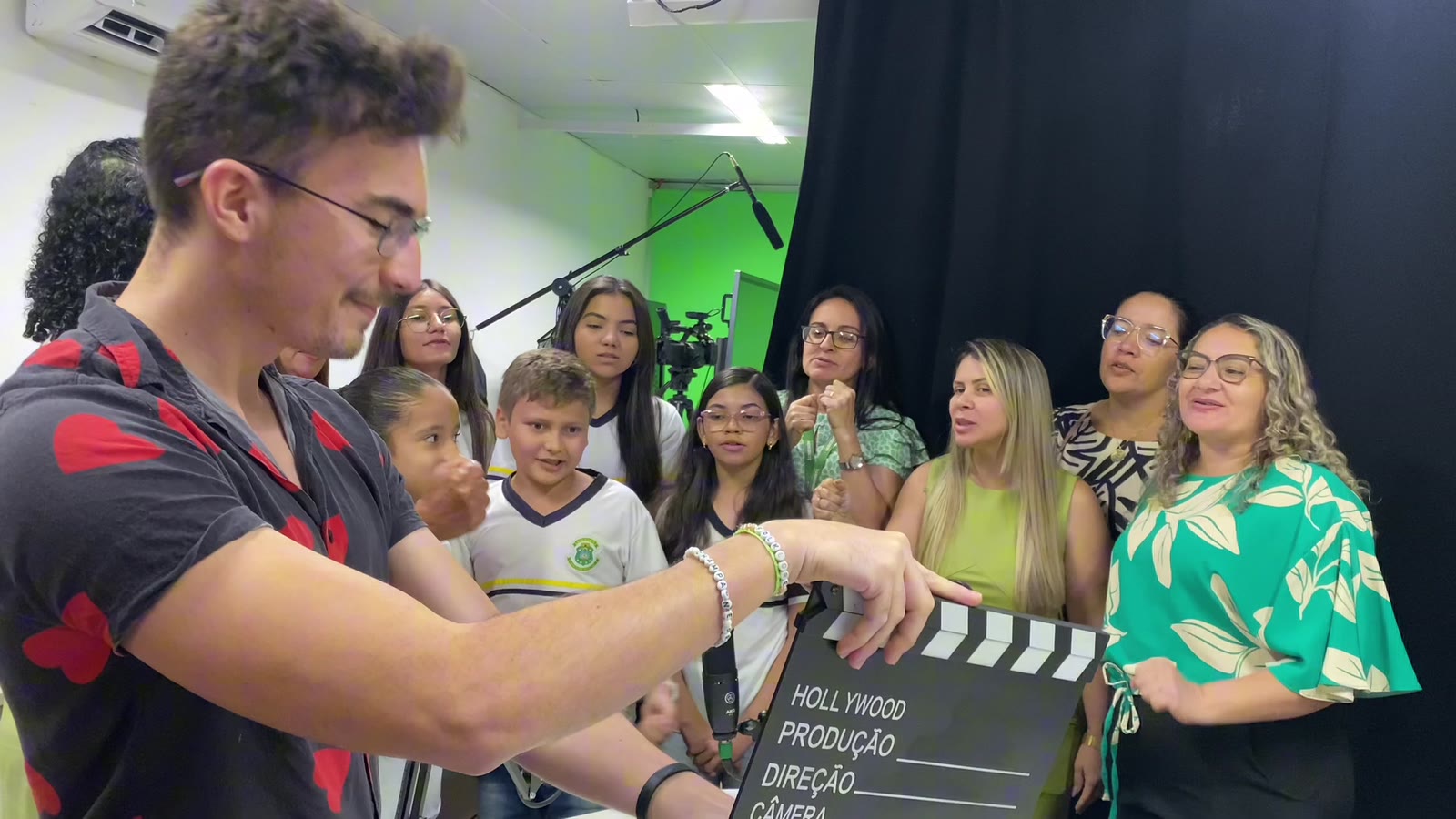
A workshop with students
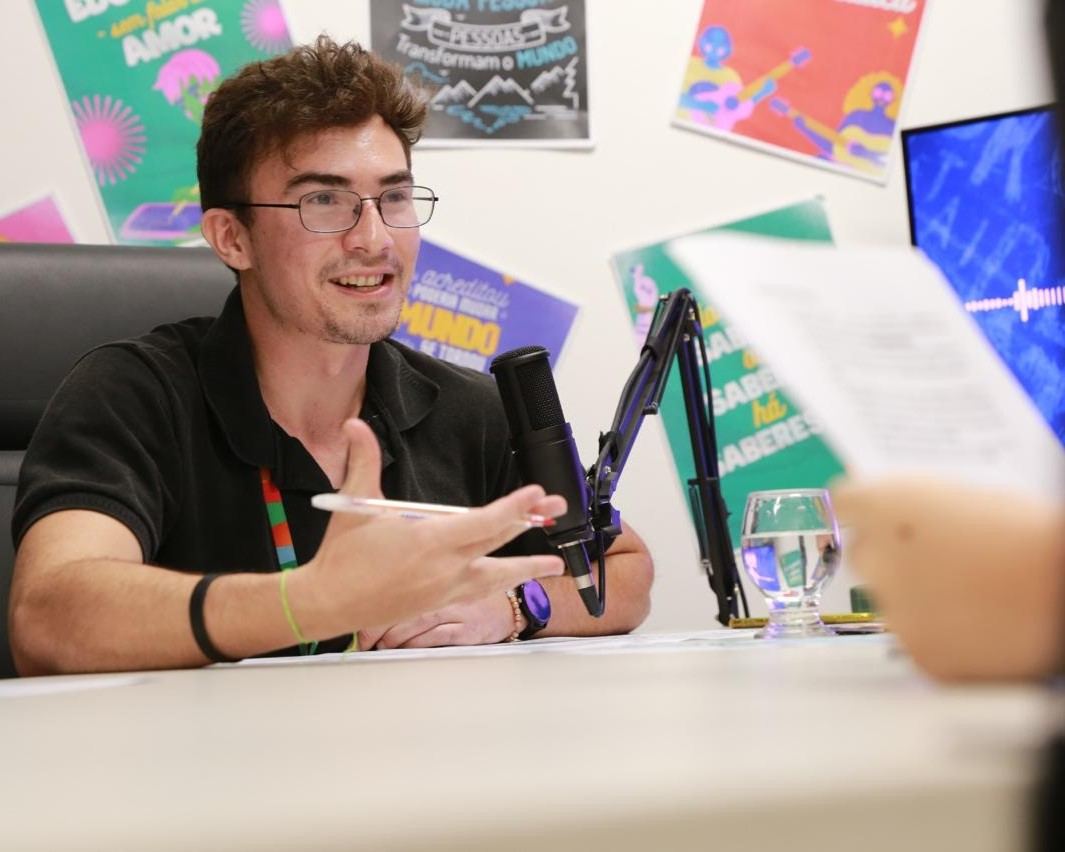
Recording a podcast
Recording a podcast
05 Los Angeles · ASU master's

Los Angeles, a master's and a headset

In August 2025 I moved to Los Angeles for a master's in Narrative and Emerging Media at Arizona State University's California Center, supervised by Prof. Nonny de la Peña. Fall 2026 is my last semester.

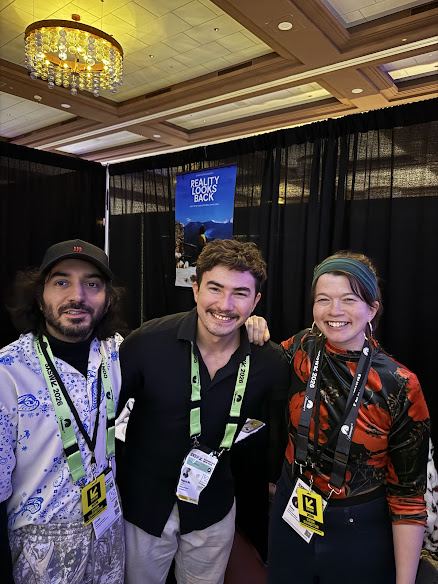
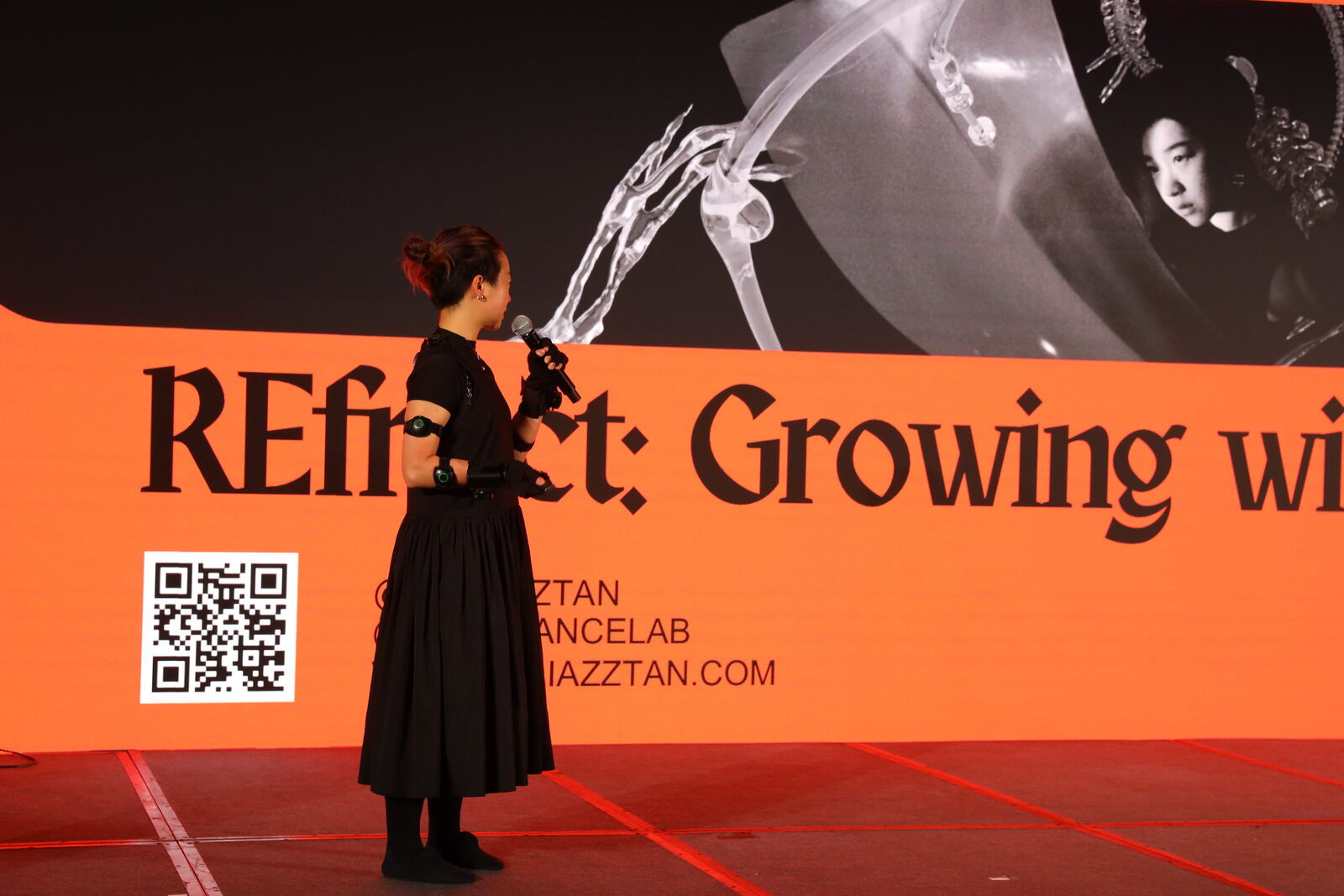
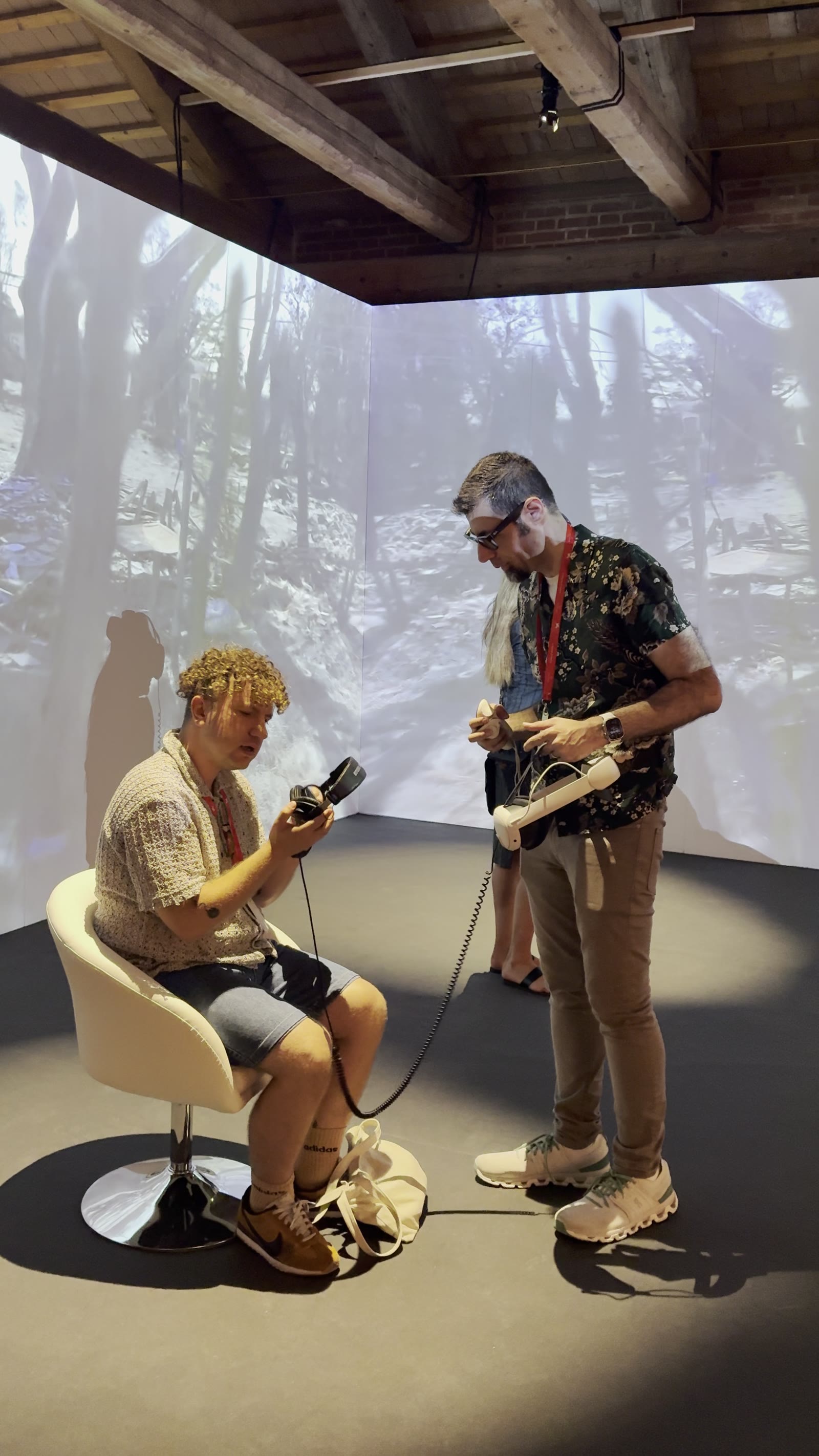
There the documentary went spatial: volumetric scans of homes burned in the Eaton fire for Out of the Ashes, an LED volume, Gaussian splats, and a room-scale VR documentary about Boca Chica, where the rocket meets the beach. In the same year I helped take Reality Looks Back to SXSW, guided more than 6,000 visitors through SIGGRAPH's Immersive Pavilion and covered Venice Immersive for ASU.

In Los Angeles
Los Angeles, 2026
Out of the Ashes, after the Los Angeles fires
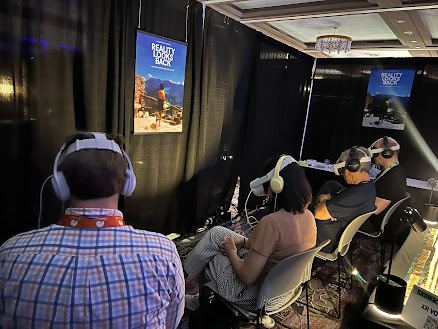
Reality Looks Back at SXSW 2026
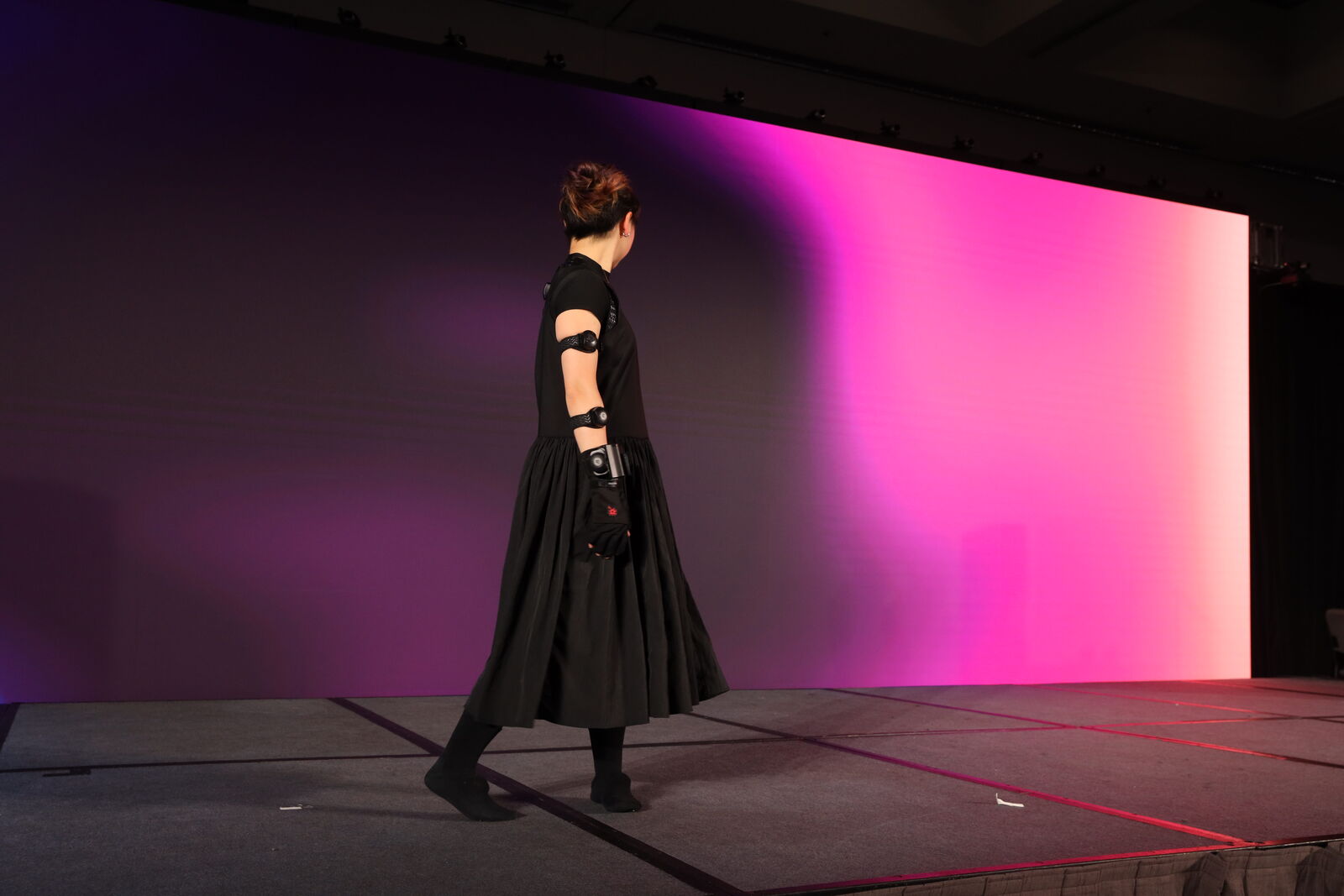
SIGGRAPH 2026, Immersive Pavilion
Venice Immersive 2026
06 As an artist

The user is the director

As an immersive media artist, I work on building universes, but the director is the user; they are the one who guides the narrative. When I choose the form of telling, I take into account how people interact in a bodily and cognitive dimension, and that a great part of the impact lies in not reproducing trauma, neither in those who watch nor in those who are portrayed.

Instead of thinking of immersive media as an automatic empathy machine, I think of the medium as a window into an environment where we receive different people, including the user as an intruder who was not invited but who can become an ally. If they learn something new, even a little, the experience has served its purpose.

I know that telling stories about vulnerable communities in media that are still not widely accessible falls into the paradox of expanding perception while limiting access. That is why I use these tools not as an end, but as a means, part of broader activist projects. For me, the technology (the headset, the software) is not the final limit of the work.

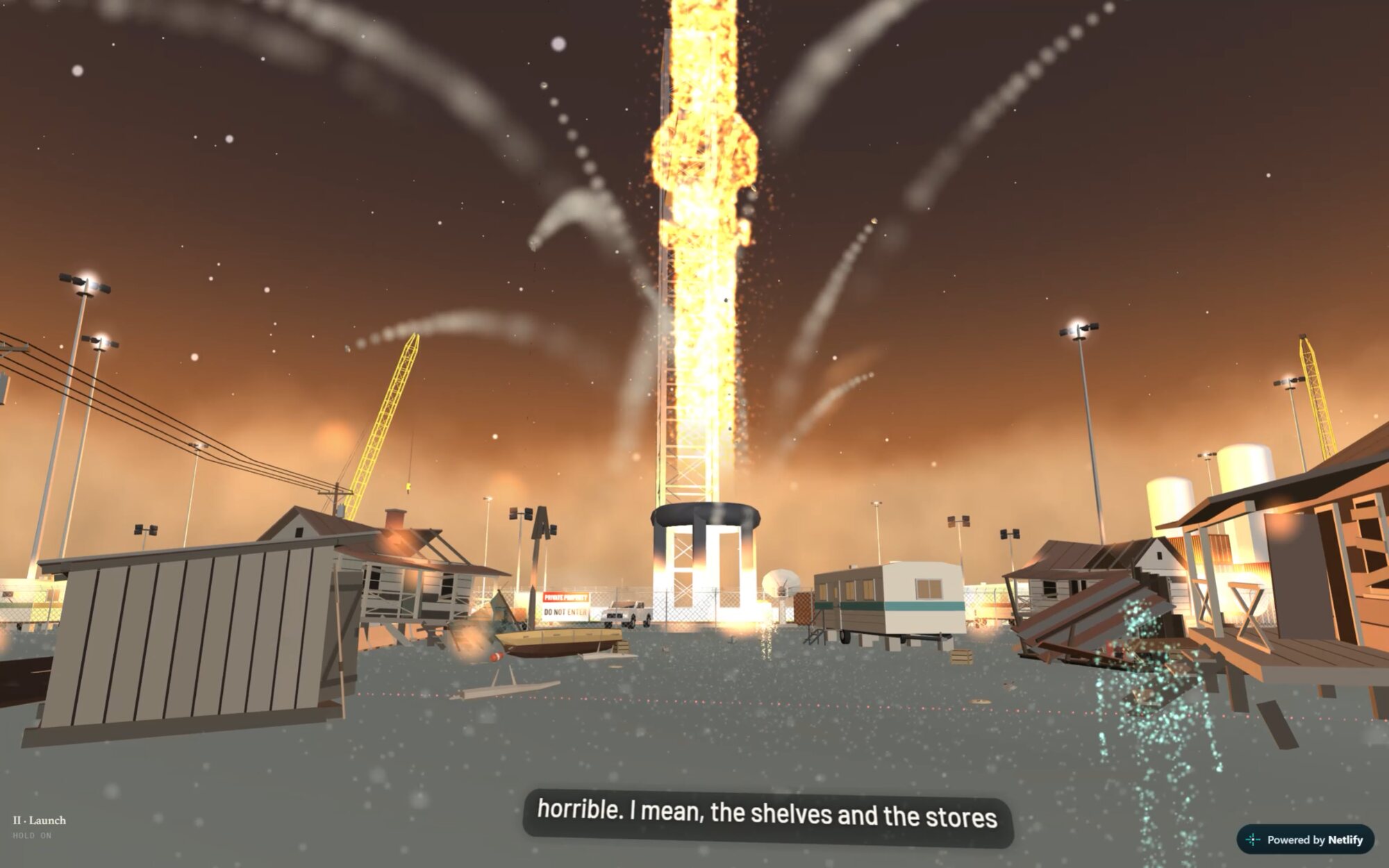
Knowing the story and seeing which medium gives it the most impact is my creative compass. In 2022 I co-directed a project about the absences children suffered during the pandemic, and I chose podcast because of the sensitivity of the subject: audio protects the identity of those who speak. In 2026, I am developing an immersive documentary about a community on the US–Mexico border threatened by SpaceX's "intergalactic progress", where the user stands at the scale of a person and the rocket engine swallows the resident's voice.

My goal is to offer the possibility that different audiences, intruders included, can expand their perspectives through these experiences and carry that from the virtual world into the real one.

The ambition is simple and it is not modest. I want people like me to stop being exceptions where we come from.
The Sound of a Sacrifice Zone
Today
Today
07 Los Angeles · recent work

A year of festivals, libraries and film sets

In 2026 the work left the classroom. At SXSW I was associate producer and docent of Reality Looks Back, a volumetric documentary picked as 1 of 13 Spotlight projects out of 31, with 400+ individual viewings in five days. At SIGGRAPH I kept a real-time motion-capture dance installation running for four days and guided 6,000+ visitors through it.

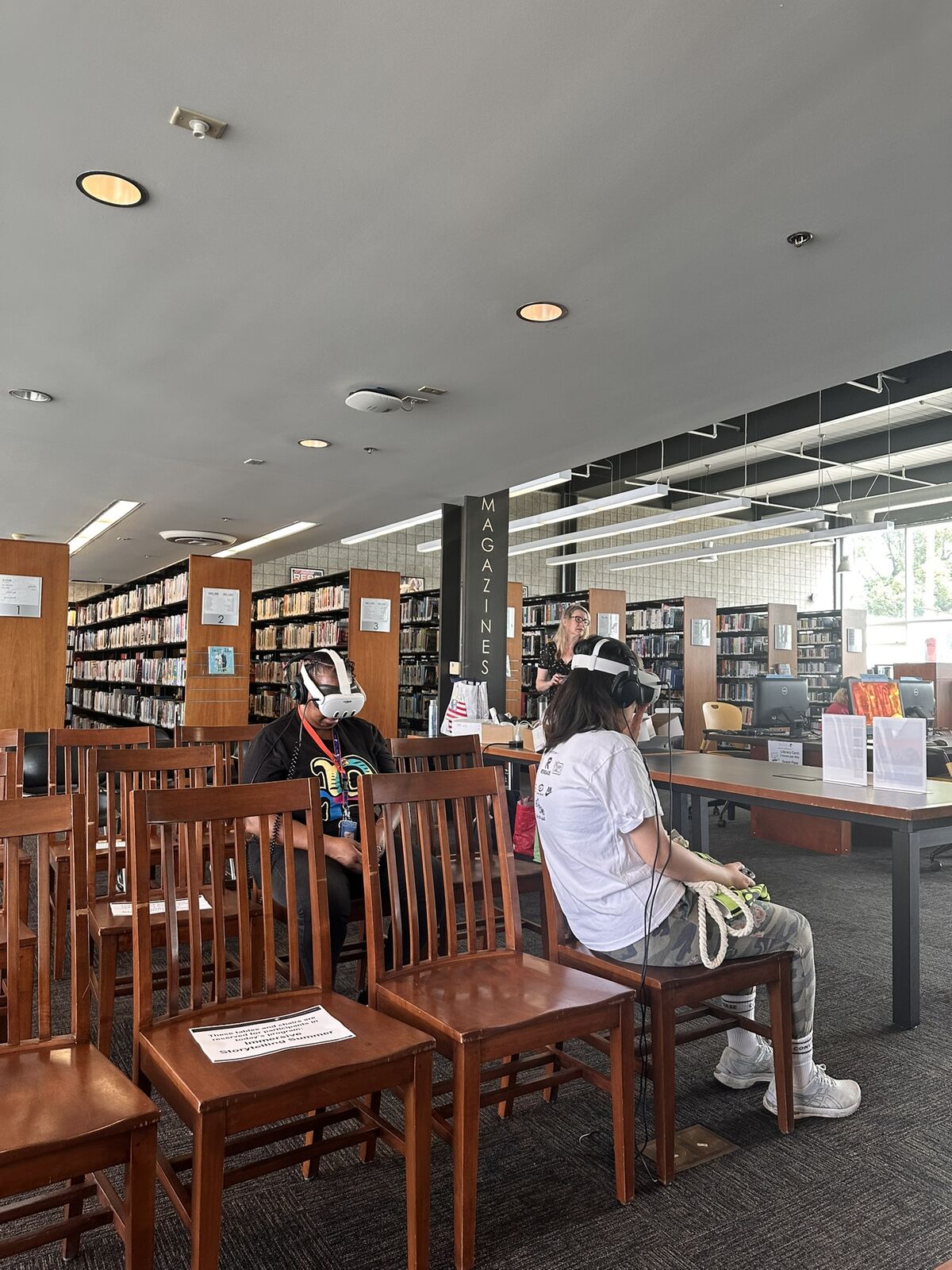
Over the summer ASU picked me to cover Venice Immersive as digital media producer: 12 days shooting, cutting and publishing from the Lido, while Out of the Ashes, the immersive film on the Los Angeles fires whose behind-the-scenes documentaries I directed and edited, premiered in competition. In between, I managed a pilot that put 10 XR titles in five Los Angeles public library branches, and went through USC Annenberg's Content Creators Academy.

Reality Looks Back at SXSW
Reality Looks Back · SXSW 2026
SIGGRAPH Immersive Pavilion
SIGGRAPH 2026
Venice Immersive
Venice Immersive 2026
XR pilot at the LA Public Library
LA Public Library XR pilot
08 Research agenda

Immersive media and sacrifice zones

The question running through all of it is the one from the flooded road: how can communities facing environmental injustice in the Global South use immersive media to build resilience and inform public policy? Cumbe, in Ceará, and Boca Chica, in Texas, are different places with the same structure: someone decides that ground is worth less than somebody else's progress.

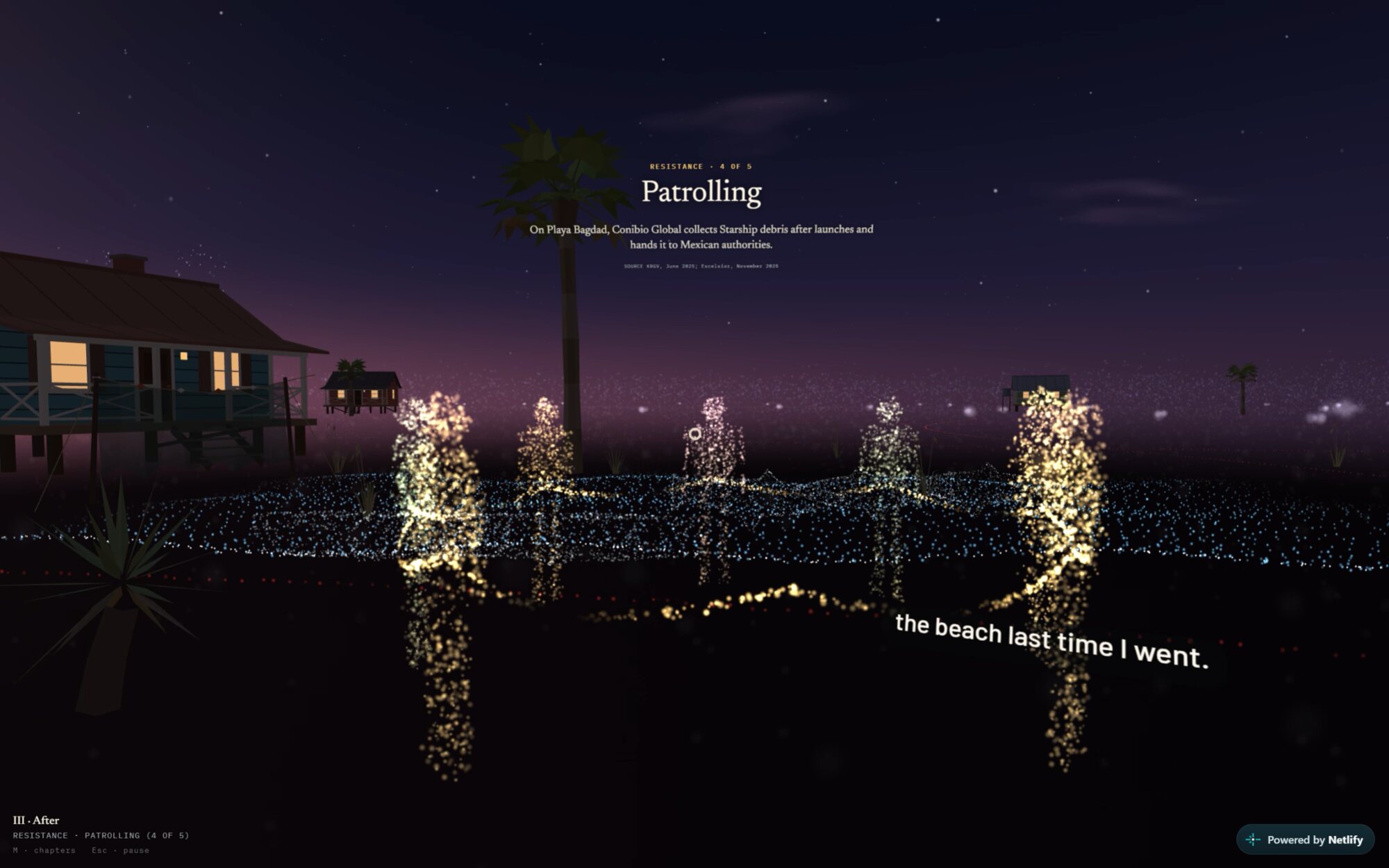
The Sound of a Sacrifice Zone, my master's capstone, is the first chapter of that agenda: a room-scale VR documentary on a border community resisting erasure where SpaceX's Starship program meets the coast. Prototype in December 2026, full production through 2028.

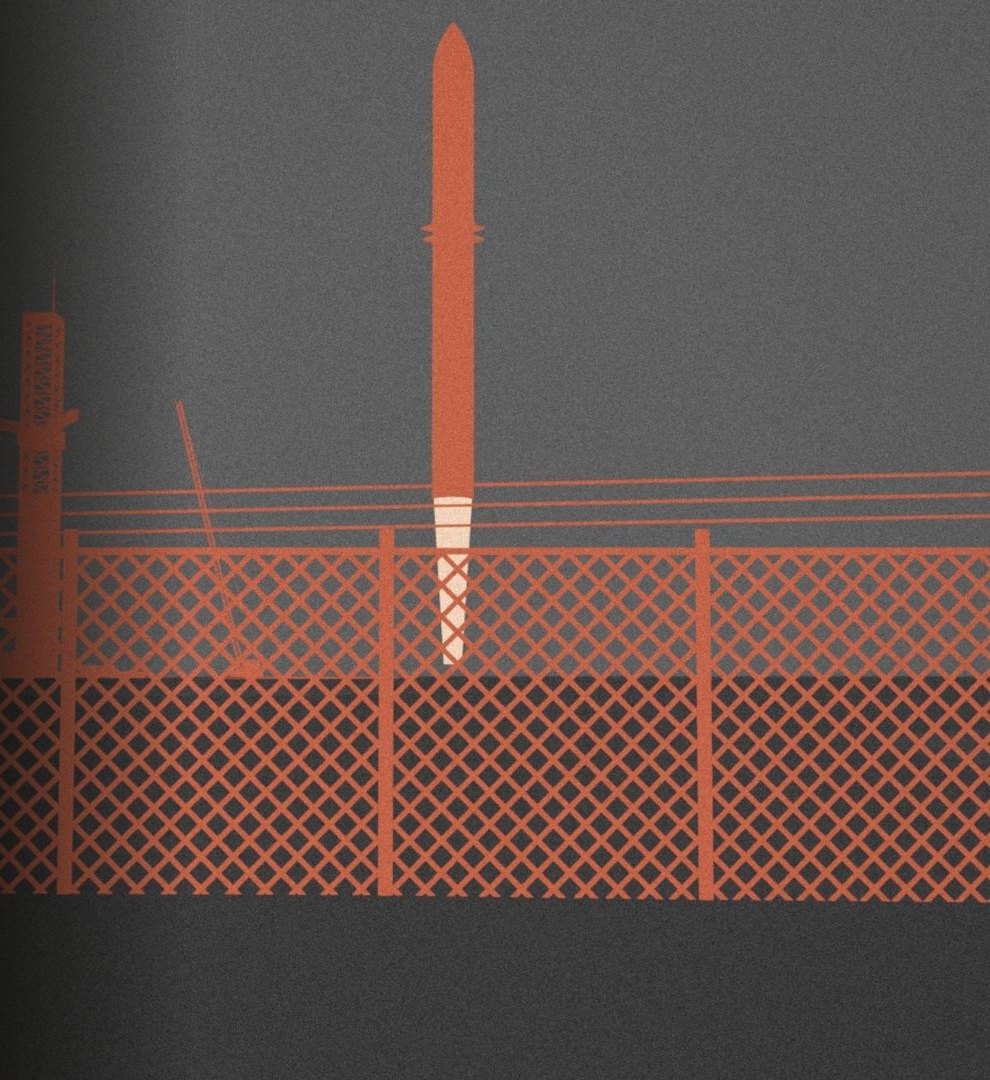
A rocket behind a fence, Boca Chica
Boca Chica, Texas
The Sound of a Sacrifice Zone
Research fieldwork
Fieldwork
Read the research agenda →
About · the living room

Explore the living room of my home

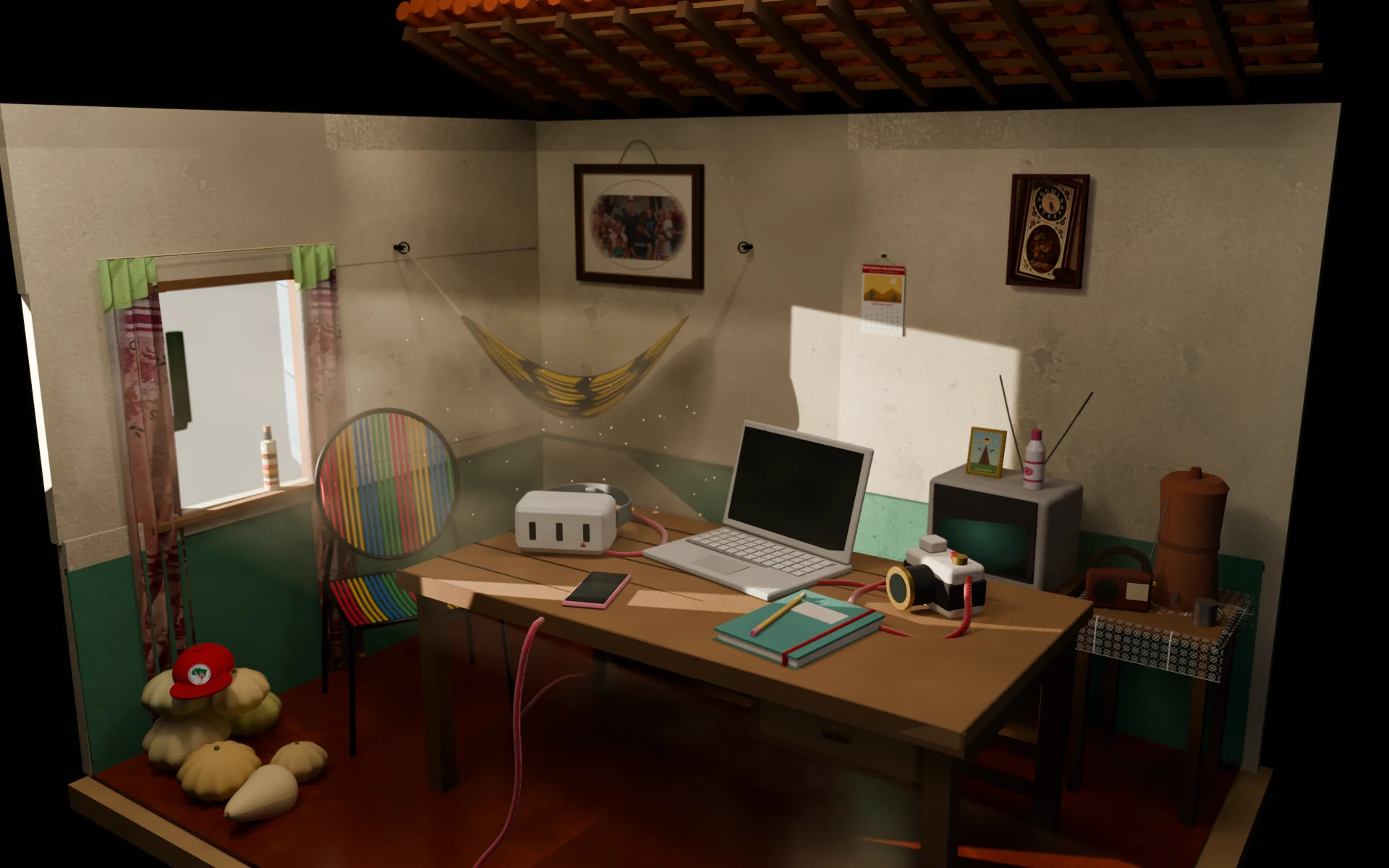
A house in the interior of Ceará, rebuilt in cardboard in Blender. Drag to turn, scroll or pinch to look closer. Each object on the table holds a chapter of how I got from there to here: click one to read it.

Cardboard model of a house in the interior of Ceará: clay tile roof, a hammock, a woven chair, a family portrait, an old TV and a radio. On the table, a notebook, a camera, a phone, a laptop and a VR headset.